The Best Medical Schools in Eastern Europe for International Students
Eastern European medical schools have been quickly rising in the ranks globally, attracting thousands of international students looking for opportunities to study medicine abroad.
In this blog, we’ll walk you through the top medical schools in Eastern Europe for international students and explain just how they stand out.
Please note that all tuition fees in this blog are accurate as of December 1st, 2025, but are subject to change.
The key takeaways in this blog include:
- Eastern European Medical universities offer accredited, internationally recognised medical degrees
- Tuition fees start from €4,200 per year
- Many top Eastern European schools incorporate practical training and patient contact significantly earlier, starting as early as the 3rd year.
- The degrees from these medical schools meet the criteria of the major medical councils and allow graduates to practise medicine or dentistry across Europe and in many countries across the world.
Table of Contents
- 1 The Top Medical Schools in Eastern Europe for International Students
- 1.1 1. Petre Shotadze Tbilisi Medical Academy
- 1.2 2. University of Zagreb
- 1.3 3. European University Tbilisi
- 1.4 4. Pavol Jozef Šafárik University
- 1.5 5. University of Novi Sad
- 1.6 6. Medical University of Bialystok
- 1.7 7. Charles University Second Faculty of Medicine
- 1.8 8. Riga Stradiņš University
- 1.9 9. University of Pécs
- 2 Why We Care
- 3 FAQs
The Top Medical Schools in Eastern Europe for International Students
1. Petre Shotadze Tbilisi Medical Academy
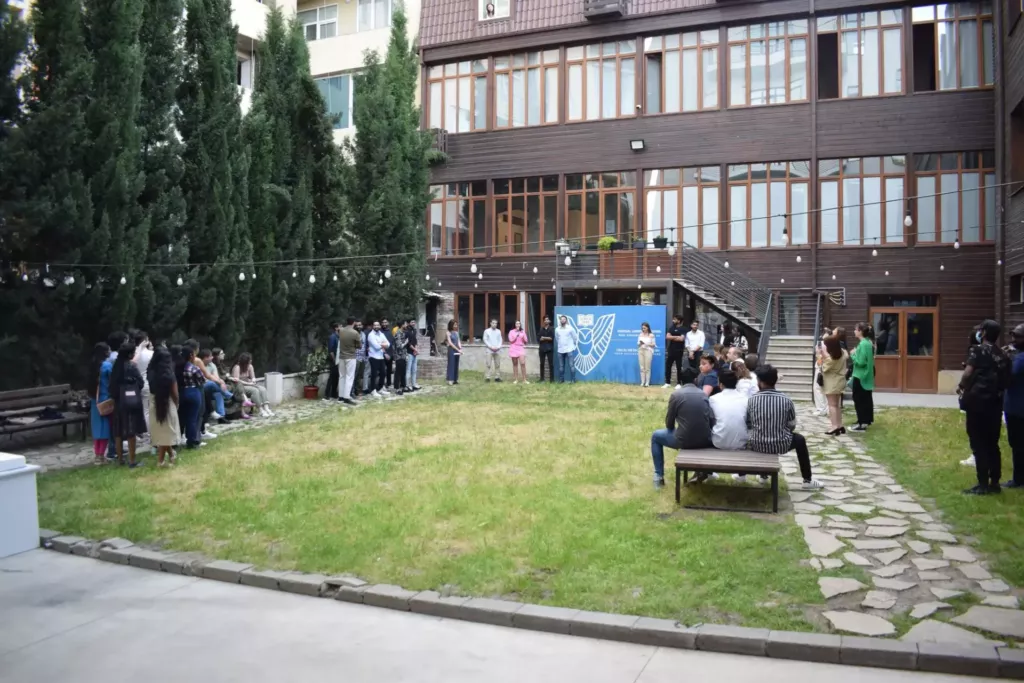
The Tbilisi Medical Academy in Georgia always makes our list for 2 reasons: it’s highly respected, accredited and recognised by NCEQE, AMEE, AMSE, IFMSA, and EMSA, and the list goes on. Best of all, it keeps its tuition fees at a low of about €6,550 a year.
There are plenty of ways TMA sets you up to work as a doctor anywhere in the world. The academy uses an innovative, evidence-based teaching curriculum that actually trains you to think clinically, not just memorise. On top of that, you get placed for clinical training in 1 of 40 affiliated hospitals and clinics across Georgia.
The teaching staff is another strong point. They’re experienced, approachable, and known for offering full support, especially to international students.
2. University of Zagreb
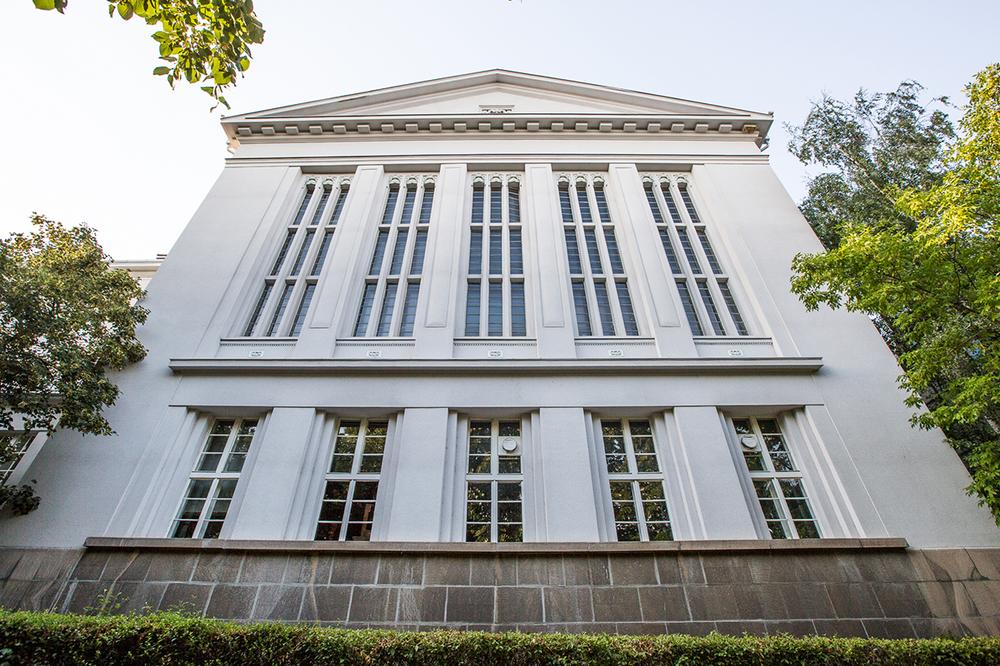
The University of Zagreb School of Medicine is based in Zagreb, Croatia, part of a historic university that goes back all the way to 1669. Its solid reputation is well known, especially among international students, for quality accredited and recognised English-taught medical education in medicine, dentistry, pharmacy and veterinary medicine.
What’s great is that the 6‑year Medicine programme gives you the full package, basic sciences, pre‑clinical years, then real clinical experience. All of these are taught with modern equipment, which is consistently being reinvested in, as well as the best educators in the country. The degree (360 ECTS) is internationally recognised, so you can stay and build a career in Croatia, or explore options abroad.
Living in Zagreb is also relatively affordable, as you’ll find housing and living costs that don’t wreck your budget as badly as in big Western European cities, all while studying in 1 of the best universities for medicine in Eastern Europe.
3. European University Tbilisi
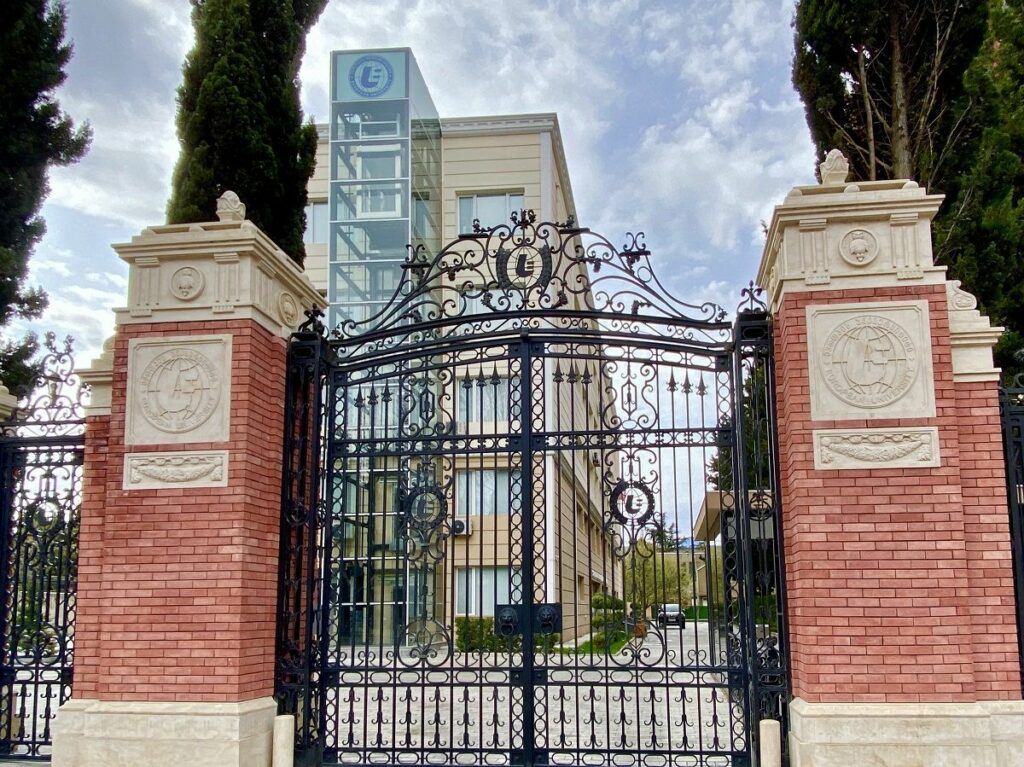
The European University’s Medicine (6 years) and Dentistry (5 years) programmes allow you to practice globally, meeting the criteria for recognition in the European Union, the UK (GMC), the USA, Canada, Australia, and Asia, with no entrance exam required.
You’re getting all the practical experience you need here, supported by an extensive network of approximately 70 clinics across Georgia. The university even has its own:
- EU Dent, a private dental clinic
- Jo Ann University Hospital, a leading medical centre specialising in cardiology and cardiac surgery
Additionally, tuition fees for international students are VERY affordable. The MD programme costs €5,050 per year, and the Dentistry programme is set at €4,200, making it literally 1 of the most affordable medical schools in Eastern Europe. Plus, the entire system runs on the ECTS (European Credit Transfer System), so your qualifications are mobile.
4. Pavol Jozef Šafárik University
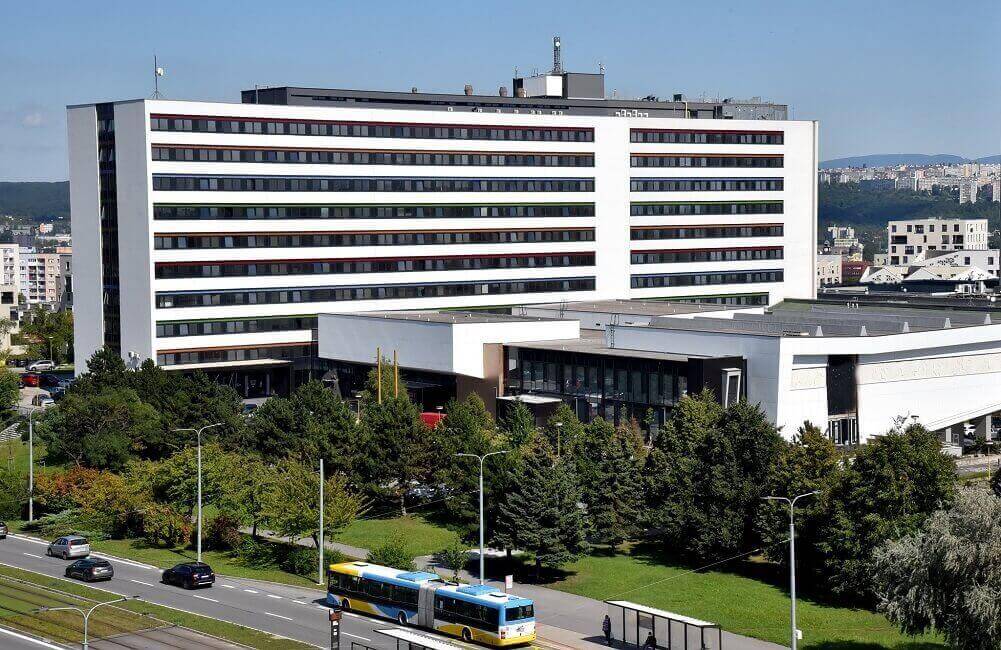
Pavol Jozef Šafárik University (UPJŠ) is 1 of Slovakia’s strongest public universities, with a history going back to 1948 in Košice. 1 of its biggest advantages is how early you start working with patients, from Year 3, along with small-group practicals that usually run with about 10-15 students.
Another thing that stands out is how the faculty is literally connected to its clinical base. You’re basically a few steps away from the L. Pasteur University Hospital, the main teaching hospital with a huge patient volume, right next to the faculty.
Its medical degree is internationally recognised and meets the GMC requirements, so working as a doctor anywhere in the world will never be an issue. Getting in is simple but can be competitive, as you need to pass the entrance exam in Biology and Chemistry.
5. University of Novi Sad
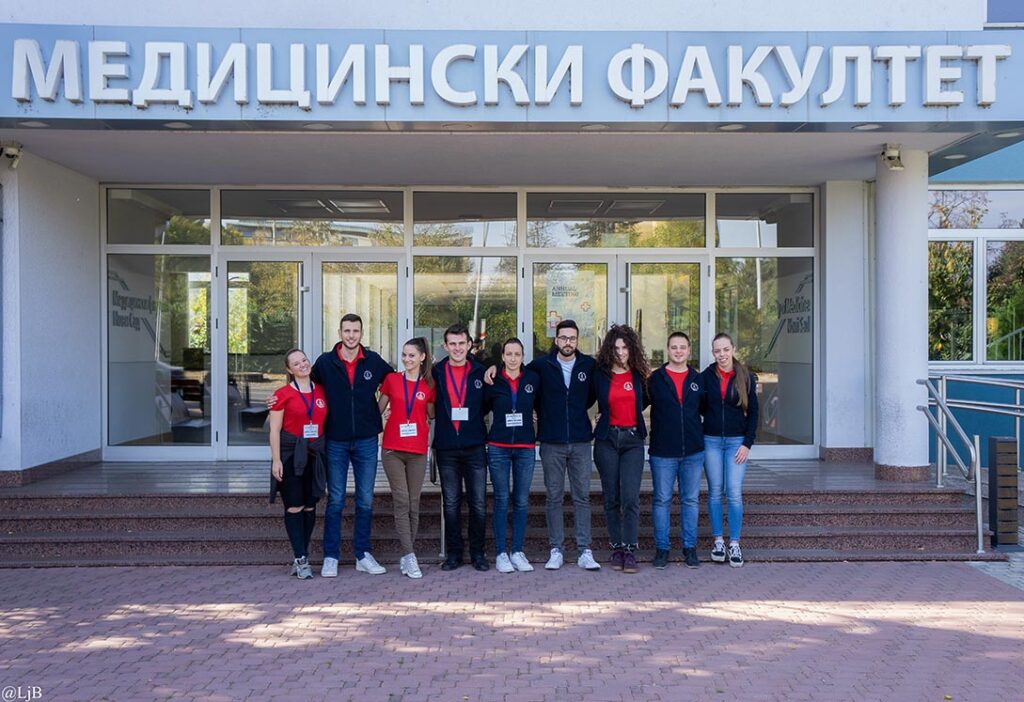
The University of Novi Sad’s medical faculty is 1 of Serbia’s and Europe’s best picks to study medicine abroad. It’s part of a bigger public uni established in 1960.
You can study Medicine, Dentistry and Pharmacy in English, and they’re accredited by the Commission for Accreditation and Quality Assurance in Serbia, while meeting the medical criteria of medical councils like the GMC.
What’s great is that right from your 2nd year, you start getting real-deal hospital & clinic exposure. In addition, international students get support through a dedicated “international department,” which helps you settle, ask questions and get used to uni life in Serbia.
Bottom line is that if you want a European med degree taught in English, with early hospital training, and a friendly uni environment, Novi Sad is a solid bet.
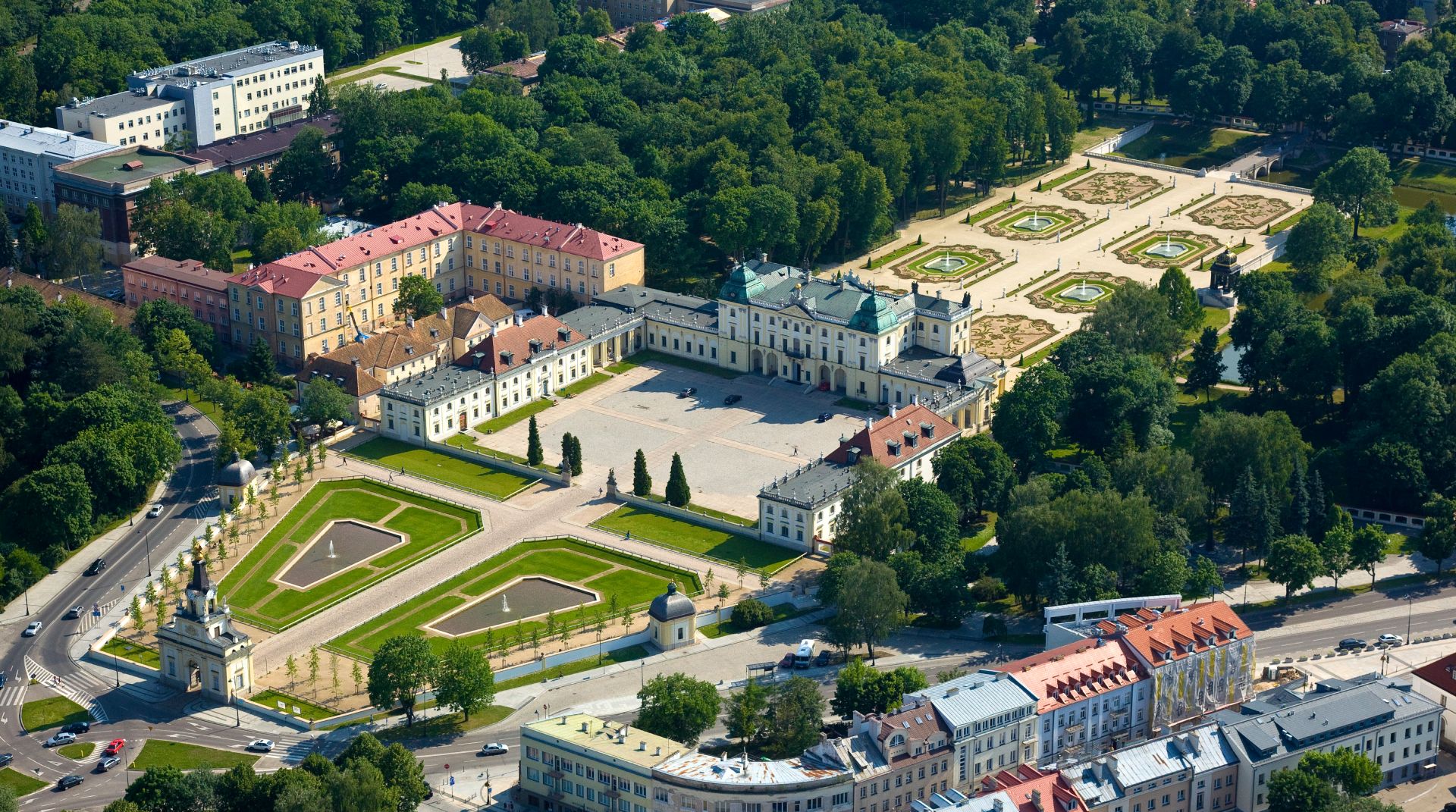
6. Medical University of Bialystok
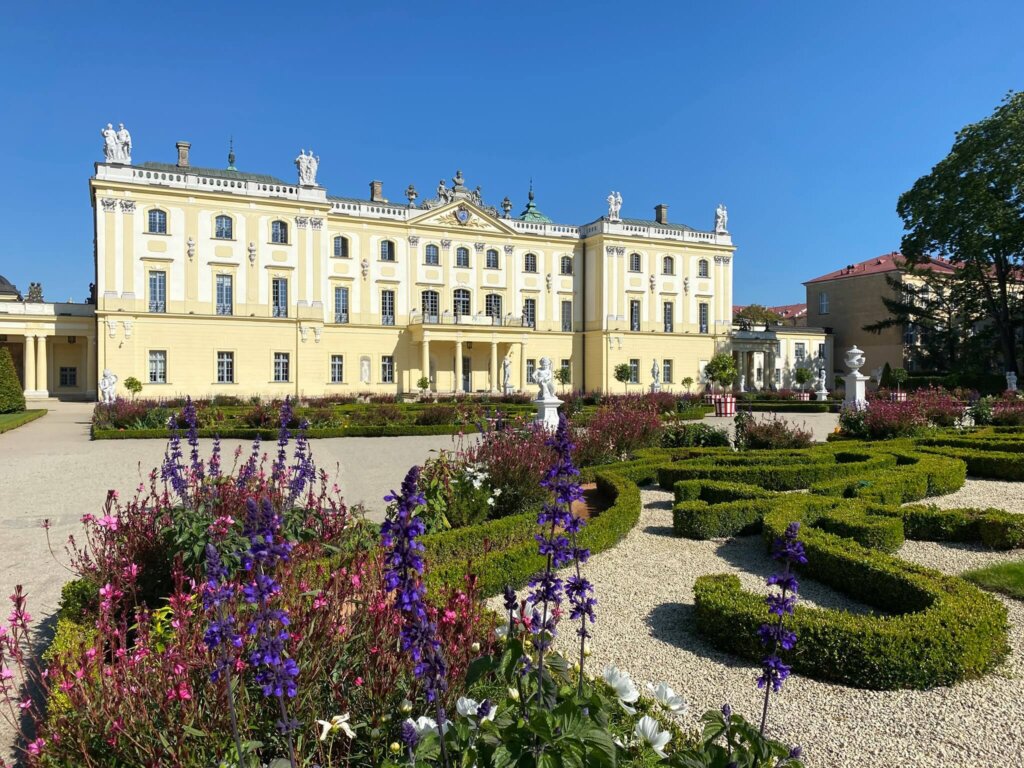
The Medical University of Bialystok (MUB) is a public university in Poland, founded in 1950 in 1 of Europe’s greenest and safest cities, Bialystok. Currently, it’s ranked #1 in Poland for equipment, hands-on skills training, and administrative support.
1 thing that really stands out at MUB is how early you start clinical work. Clerkships kick off in your 1st year, and you also get access to cadaver labs and a high-tech medical simulation centre, so you’re learning by doing from the start.
The clinical setup is impressive, too. The university works with 2 specialised teaching hospitals, plus 40 clinics and 2 high-tech independent laboratories, giving you a ton of real-world experience.
On top of that, MUB is serious about supporting international careers. The AMSA Bialystok chapter helps students aiming for North America, guiding them through USMLE prep and giving them a clear path if they want to work abroad.
7. Charles University Second Faculty of Medicine
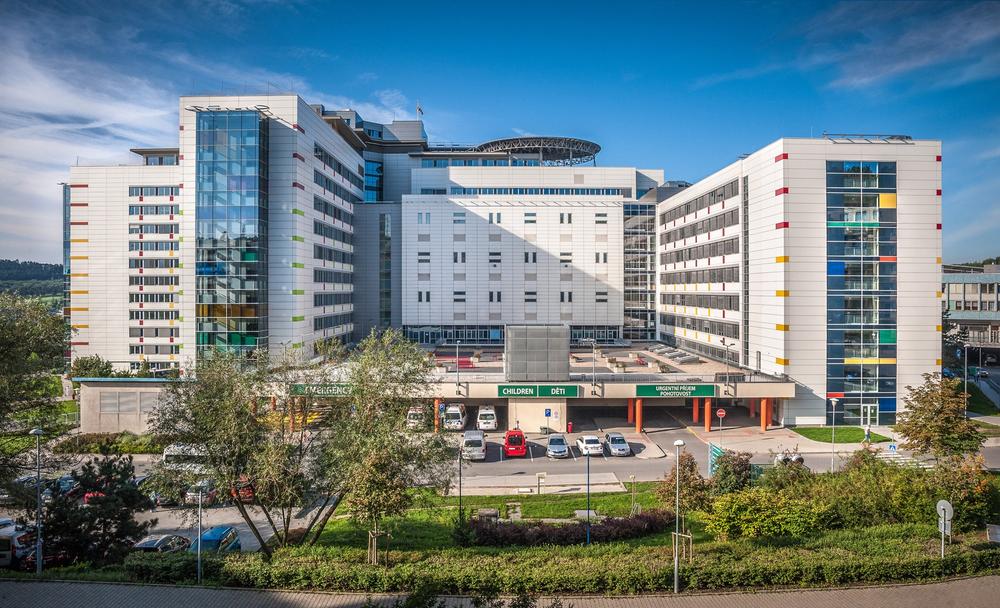
The Charles University Second Faculty of Medicine is part of the centuries‑old Charles University, founded in Prague, Czech Republic, way back in 1348.
If you sign up for its English MD programme, you’re looking at a 6‑year full‑time track. A part of what’s so great about this medical school is that by the time you hit clinical years (years 4-6), nearly all your training happens at Motol University Hospital, 1 of the biggest hospitals in Europe.
And to clarify, in your 1st years you won’t just be reading about medicine. From early on, you'll get pre‑clinical learning, and then real patient exposure once you start hospital rotations.
For international students, the course is in English. But since you’ll end up working with Czech patients and staff during clinical work, you’ll also be expected to learn some Czech, mostly in years 4-6.
To sum up, you get to study in a prestigious and established university with English‑based medical education, and hands‑on hospital training at a top European hospital, all while graduating with an internationally recognised MD.
8. Riga Stradiņš University
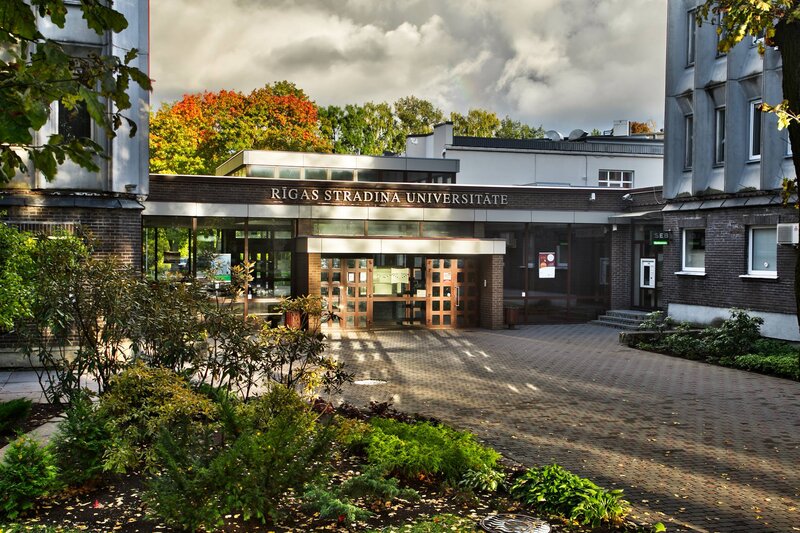
RSU is ranked as the best university in Latvia, especially in terms of its medical faculty. It hosts over 2,500 international students from over 75 countries, and offers a 6-year medicine programme taught entirely in English.
Studying here guarantees being a highly regarded doctor internationally. You’re not just getting clinical hours at Pauls Stradins Clinical University Hospital and the Riga East Clinical University Hospital, but also get access to the Medical Education and Technology Centre (MET), the largest simulation centre in the Baltics. This centre recreates operating rooms and intensive care units, giving you the hands-on experience you need early on.
9. University of Pécs
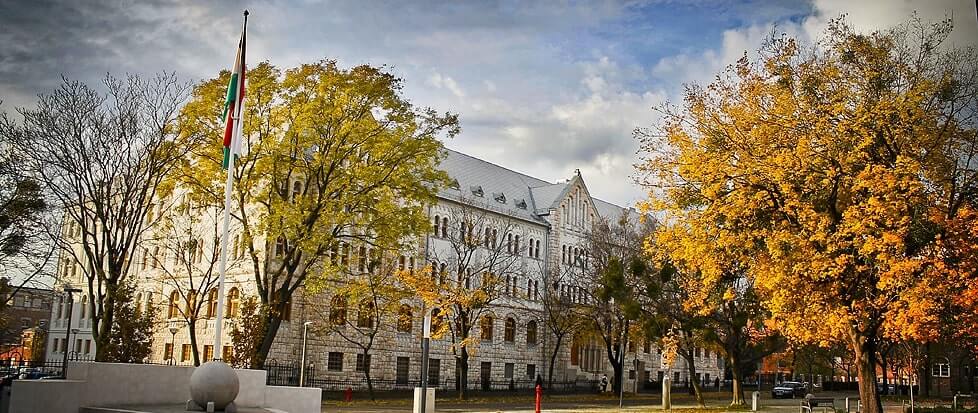
The University of Pécs (UP) isn’t just old, it’s really old. Its history began in the Middle Ages, or 1367, making it the oldest university in Hungary and 1 of the earliest in Europe.
It hosts a 6-year medicine programme that’s accredited by the Hungarian Accreditation Committee, which is in turn approved by the WFME. UP also offers 5-year programmes in dentistry, pharmacy, and veterinary medicine, all taught in English.
The medical faculty has around 3,500 students from 67 countries. Not just this, but the main campus is vast, as you’ll be learning across 28 clinics and 19 basic science departments, so hands-on training is basically built into the experience.On top of that, UP works with 10 teaching hospitals and has partnerships with more than 700 accredited institutions around the world. So the MD you study for there comes with a lot of clinical exposure and plenty of research options.
Why We Care
When you choose a medical school, you’re about to spend 6 years buried in textbooks, passing endless exams, and making sure your degree actually matters, so 1 wrong choice can set you back years and cost a fortune.
You don’t have to figure this out on your own. Schedule a free consultation and talk with 1 of our advisors, and we’ll actually help you make sense of all the options and find a university that works for you, while going through tuition, the necessary legal paperwork, accommodation, and entrance exams.
FAQs
Is Studying Medicine in Eastern Europe a Good Option for International Students?
Totally. Many medical schools offer accredited medicine programmes in English, provide early hospital exposure, have modern equipment, and get you all the medical experience you need without the insane price tag. Best of all, you graduate with an internationally recognised medical degree.
Are There Affordable Medical Schools in Eastern Europe?
Believe it or not, many of these schools are really affordable. You can find tuition in Eastern Europe starting at about €4,200 per year.
What Medical Programmes in Eastern Europe Are Available for International Students?
For international students, you can study Medicine, Dentistry, Pharmacy, or Veterinary Medicine - everything’s taught entirely in English.
How Is Medical Education in Eastern Europe Structured?
A typical medicine programme takes 6 years. You spend the early years on basic sciences and pre-clinical subjects, then move on to practical clinical rotations at hospitals.
Leave a Reply
About Medlink Students
Leading international recruitment company for medical students in Europe. British Council Certified Agents. 10+ years of experience and more than 10,000 students advised.